RAM Prices Are Out of Control: Should Apple Users Be Worried?
Over the past few months, RAM prices have surged dramatically, creating panic among PC builders, gamers, and tech enthusiasts. Memory, which powers everything from computers to smartphones and tablets, has become one of the most expensive components on the market. But what does this mean for Apple users? Should Mac, iPad, and iPhone owners be concerned, or is this mainly a problem for traditional PCs?
In this article, we will explore the factors behind the RAM price surge, why Apple users may be less affected, and what strategies can help you navigate this volatile market.
The Current State of RAM Prices
The RAM market has seen unprecedented volatility. According to recent reports:
-
Prices have increased by 50%–100% in the last year alone.
-
A standard 32 GB DDR5 kit now costs around $400, compared to $200–$250 previously.
Manufacturers like Asus, CyberPowerPC, and others warn that high RAM costs could pose a major challenge for PC builders in 2026.
The surge is primarily due to growing demand for high-performance memory in AI applications, data centers, and next-generation computing hardware. This means consumer-grade RAM is being diverted to meet enterprise and server needs, leaving less supply for everyday users.
Why Are RAM Prices Rising?
Several factors are driving this surge:
1. Explosive Demand From AI and Data Centers
Artificial intelligence is driving a massive increase in RAM consumption. AI models, machine learning platforms, and cloud computing services require vast amounts of high-speed memory. Companies building AI infrastructure prioritize enterprise contracts over consumer supply, reducing availability for individual buyers.
2. Limited Global Supply
The RAM industry is dominated by a few major players, including Samsung, SK Hynix, and Micron, which produce over 95% of global DRAM. When these manufacturers allocate memory to high-demand clients like data centers or AI companies, less is available for retail consumers, pushing prices higher.
3. Market Volatility
Retailers struggle to stabilize prices amid shortages. Some stores even stop listing RAM prices online due to constant fluctuations, making it harder for buyers to plan purchases.
4. Transition to DDR5 and Advanced Memory
Modern PCs are upgrading from DDR4 to DDR5 memory, which is faster but significantly more expensive. This transition increases overall system costs, particularly for gamers and professional users who require high-performance setups.
Apple Users: Why the Impact Is Limited
While PC users face sticker shock, Apple users are mostly insulated. Here’s why:
-
Unified Memory Architecture (UMA)
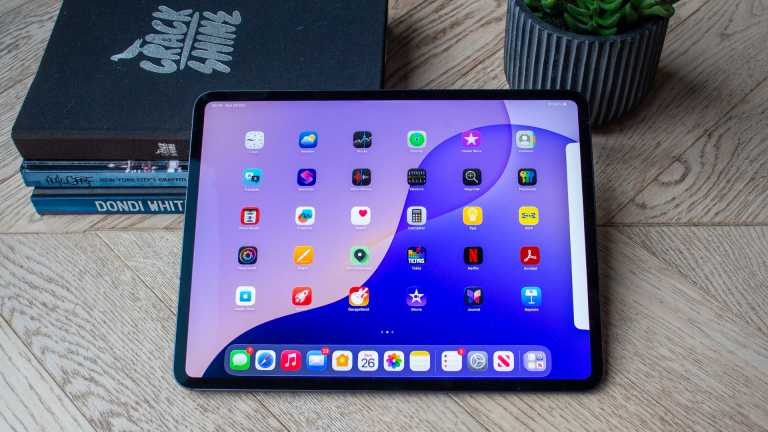
Apple’s M-series chips (M1, M2, M3) use unified memory, where the CPU, GPU, and Neural Engine share a single memory pool. Unlike traditional PCs, this memory is soldered directly onto the motherboard, meaning it cannot be upgraded later.
-
Supply Chain Strategy
Apple secures memory through long-term contracts with manufacturers, insulating its devices from market volatility. This approach ensures that memory prices don’t immediately affect the cost of Apple hardware.
-
Existing Device Users
Thanks to UMA, current Apple devices efficiently manage memory for most applications. Unlike PCs, Apple devices rarely require upgrades, meaning existing users aren’t exposed to the RAM shortage.
Potential Risks for Apple Users
Despite this built-in protection, there are potential risks:
- Future Price Increases: If global memory shortages persist, Apple may face higher component costs, which could increase prices for new MacBooks, iPads, or iMacs.
- High-RAM Configurations: Users opting for higher-memory configurations may see premium pricing due to supply constraints.
- Long-Term Supply Chain Risks: Disruptions in global production, such as geopolitical tensions or material shortages, could eventually impact Apple devices, though Apple is generally better protected than other manufacturers.
Strategies for Apple Users
If you’re an Apple user concerned about rising RAM prices, here are practical strategies:
1. Upgrade or Purchase Now
If you’re planning to buy a new MacBook, iPad, or iMac, now may be the ideal time. Doing so before potential price hikes ensures you get your device at the current cost.
2. Don’t Stress About Current Devices
If you already own an Apple device, your integrated memory is likely sufficient for years. Apple’s unified memory architecture optimizes performance and reduces the need for upgrades.
3. Stay Informed
Follow tech news for updates on RAM supply and pricing trends. Apple users should pay attention to announcements about new devices or potential memory shortages.
Key Takeaways
-
RAM prices are skyrocketing due to high demand from AI, cloud computing, and data centers.
-
PC users face the most immediate impact, with DDR5 kits costing up to $400 for 32 GB.
-
Apple users are mostly insulated thanks to unified memory architecture and long-term supply agreements.
-
Potential risks exist, particularly for high-memory configurations or future devices, but current Apple devices are generally unaffected.
-
If you’re planning an upgrade, buying sooner rather than later is the best strategy.
Conclusion
The RAM crisis is shaking the PC world, but Apple users are in a relatively safe position. Apple’s integrated design and strategic supply agreements protect most users from immediate price surges.
However, the market remains unpredictable. Long-term memory shortages could influence Apple device prices, especially for high-memory models. If you are considering a new purchase, staying informed and acting early could save you money.
In the end, Apple users may not need to panic—yet—but it’s wise to be prepared as the memory market evolve.
Sources: Macworld: RAM Prices & Apple Devices