New Book on Arts In Health Practice Highlights Successes, Gaps & Potential of Arts in Healthcare
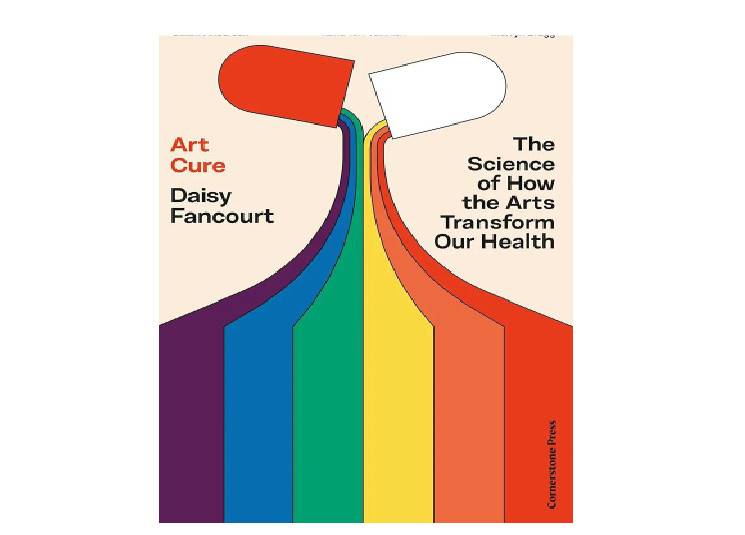
Art Cure’, a new publication on Arts in Healthcare practice, by UK epidemiologist, psychologist, and arts in medicine advocate Professor Daisy Fancourt, highlights the successes, gaps, and potential of incorporating the arts into medical care.
Presented by Fancourt at a virtual launch event convening arts in health practitioners, organizations, researchers and enthusiasts from across the globe, on January 5, 2026, the 300-paged book collates stories from arts in health practitioners from across the world, who employed various research methodologies, enough to persuade gainsayers and skeptics on the supporting role the arts can play in medical treatment and healing process.
Growing up in an arts-filled environment with her musician parents, and as an arts in health practitioner for over a decade and a half, Fancourt was inspired to write the book to bring to the attention of the wider public, the benefits deploying arts in medical treatment, and the need to encourage arts in health researchers to dig a little deeper to discover other evidence not contained in the book.
She shares her own first-hand experience of the decisive role of the arts in medical care, alongside several real-life stories of others. It happened when her daughter, Daphne, born prematurely, contracted meningitis. She deployed the recommendation she’d read about on how music can help calm premature babies, aid them in eating, and maintain their weight. Thus, she sang Christmas songs to her daughter for hours daily throughout her time in intensive care. The impact, she said, was undeniable.
“For me, it was probably the most profound arts experience of my life, because I was actually seeing the benefits to myself from those songs, but also the impact they had on my daughter, and the opportunity to connect with her even when I couldn’t touch her. The book is full of authentic stories from other people who had similar life experiences in the arts, and I really hope it resonates with other people who have themselves felt it, just how incredibly the arts can be,” said Fancourt.
Perhaps what makes the work most authentic is that the author did not shy away from the question of when the arts hinder medical practice, but rather aid it. In fact, she went on to disabuse the belief that the arts are a panacea to all illnesses, recognising that there are times it does not work, either as a result of ‘poorly designed interventions’, or a matter of ‘inadvertent adverse effects’. Such occasions, she said, open up opportunities for discussions on how best to adjust implementation to optimise outcomes, pinpoint where opportunities lie, and work to establish the proper levels of safeguards in practice.
On the issue of gaps in the field, Fancourt said that the discipline is characterised by such diverse and exciting pilot-based research that it is too early to identify gaps.
“One of the great things about this field is that it’s so diverse. Everyone tends to have a particular area that they think is the most pressing issue for the future. And that is exactly how it should be.”
For Fancourt, what currently floats her boat is the exploration of the impact of arts engagement on biological mechanisms. With the aid of a 7-year grant received from the Wellcome Trust, she and her team of collaborators in Chile, Japan, and Malawi will embark on studies of “how arts affect gene expression, protein and metabolic abundance in the body, as well as biological indices of ageing.”
“I find exciting biological research on the arts, particularly trying to understand biological mechanisms that can link arts engagement to a whole range of health outcomes that we already have evidence on,” said Fancourt.
Already on the Amazon Bestseller List since last year, ‘Art Cure: The Science of How the Arts Transform Our Health’ is available for purchase on the platform and has a 14-day delivery period to Nigeria.