NCC Targets 23.3 Million Nigerians With Satellite Connectivity
The Nigerian Communications Commission (NCC) has unveiled plans to connect about 23.3 million Nigerians currently without reliable mobile or internet access through satellite-based connectivity.
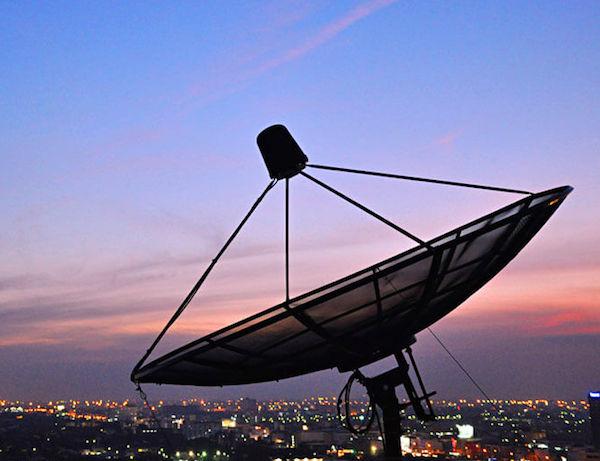
The initiative aims to bridge Nigeria’s long-standing digital divide by using satellite Direct-to-Device (D2D) technology, which allows mobile phones to connect directly to satellites without relying on traditional cell towers.
Why NCC Is Turning to Satellite Technology
Millions of Nigerians, especially in rural, remote, and underserved communities, still lack access to basic telecom services due to difficult terrain, insecurity, and the high cost of deploying base stations.
According to NCC data, at least 87 network clusters nationwide have little or no mobile coverage, affecting over 23 million people. Satellite connectivity is being considered as a faster and more cost-effective solution to reach these areas.
How Satellite Direct-to-Device Works
Satellite D2D technology enables regular smartphones to:
- Send and receive text messages
- Make voice calls
- Access mobile data
This happens without nearby telecom masts, as signals are transmitted directly between phones and satellites in orbit.
Consultation and Regulatory Framewore
The NCC has released a public consultation paper, inviting telecom operators, satellite service providers, and industry stakeholders to contribute ideas on:
- Spectrum allocation
- Network architecture
- Consumer protection
- Service quality standards
The feedback will guide the development of regulations and policies before nationwide deployment begins.
Part of a Bigger Digital Vision
This move aligns with Nigeria’s broader goal of expanding broadband penetration beyond 50% and achieving universal digital inclusion. The satellite plan also supports the NCC’s long-term spectrum roadmap, which recognizes non-terrestrial networks as a key solution for future connectivity.
Growing Interest From Global Satellite Firms
Nigeria has seen increasing interest from international satellite companies, with several already licensed to operate in the country. Partnerships between satellite operators and mobile networks are expected to play a major role in making satellite-to-phone services affordable and accessible.
What This Means for Nigerians
If fully implemented, the project could:
Improve communication in rural and hard-to-reach areas
- Support digital education and e-learning
- Boost mobile banking and online businesses
- Enhance emergency and security communications
What Happens Next
The NCC will review stakeholder input and finalize guidelines for satellite connectivity deployment. Once approved, pilot rollouts are expected to begin before nationwide expansion.
Summary:
The NCC’s satellite connectivity plan could be a major turning point for Nigeria’s digital future, bringing millions of unconnected citizens into the mobile and internet ecosystem for the first time.