Ghanaian ‘Prophet’ Faces Backlash After Doomsday Prophecy Fails, Allegedly Buys $100,000 Car With Donations
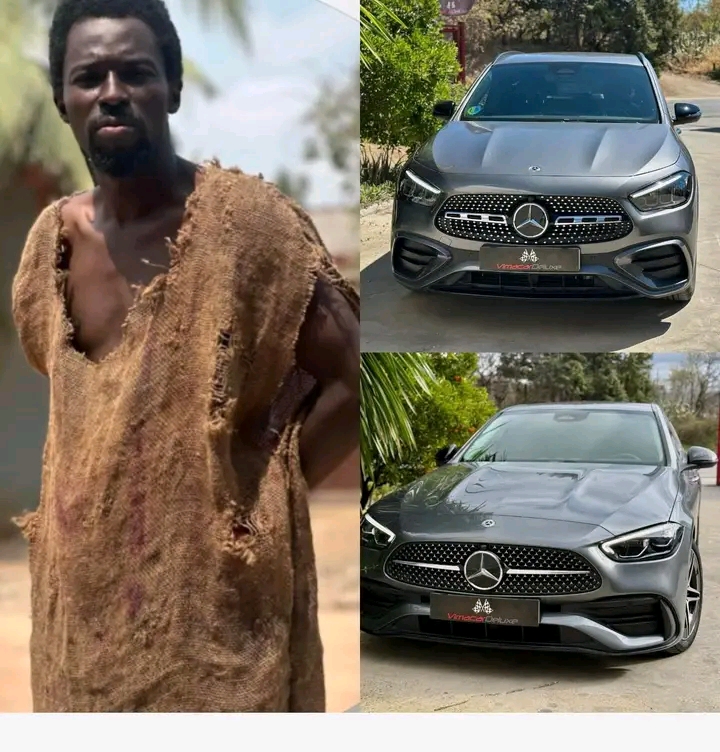
A Ghanaian content creator who once described himself as a “prophet” is facing intense public backlash after his dramatic end-of-the-world prediction failed to come true and he allegedly used followers’ donations to buy a luxury car worth about $100,000.
The self-proclaimed prophet had warned his growing online audience that a devastating flood would wipe out humanity on December 25, urging them to urgently contribute money toward building “arks” for survival. His emotional messages, shared widely on social media, sparked fear among followers, some of whom reportedly donated large sums believing they were preparing for a divine event.
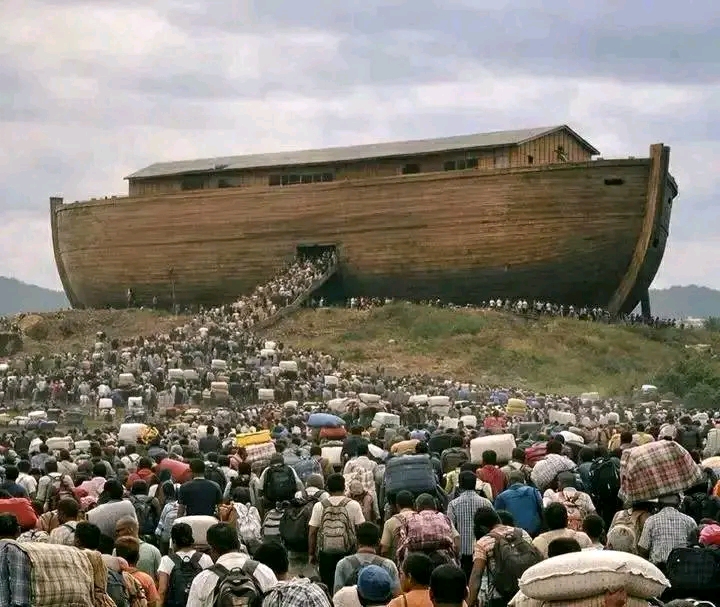


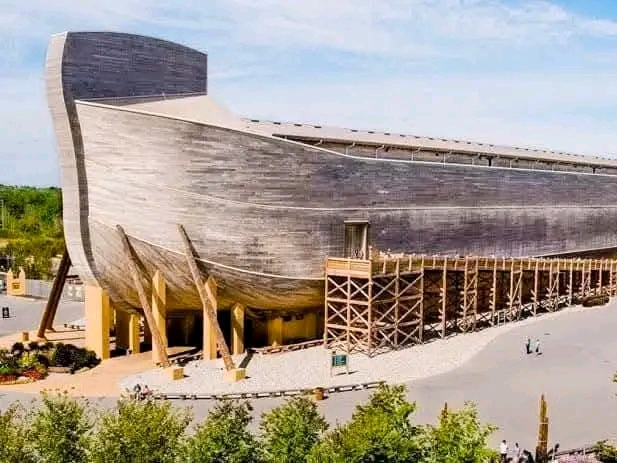
However, when December 25 passed without any sign of catastrophe, questions quickly arose. Social media users soon began circulating claims that the man had instead purchased an expensive luxury vehicle shortly after the failed prophecy fueling outrage and accusations of fraud.
Many followers who once trusted his message now say they feel betrayed, accusing him of exploiting religious beliefs for personal gain. Critics argue that the situation highlights the dangers of unchecked online “prophets” and the need for greater accountability on social media platforms.
As of now, the content creator has not issued a clear public explanation regarding the allegations, but the controversy continues to trend across Ghanaian online communities, with calls for investigations and refunds growing louder by the day.
The incident has reignited conversations around misinformation, digital accountability, and how vulnerable audiences can be manipulated through fear-based religious messaging.
Story continues to develop.