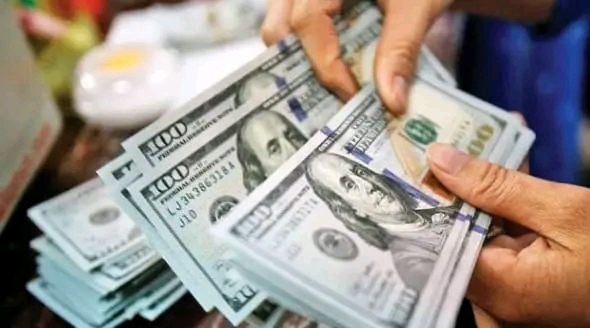
Dollar Dips Amid Rising Bets on Federal Reserve Rate Cut
Global markets opened the week with renewed optimism as the U.S. dollar weakened, driven largely by growing expectations that the Federal Reserve may begin cutting interest rates sooner than previously projected. Investors are increasingly convinced that cooling inflation, softening labor data, and slowing economic momentum could push the Fed toward a policy shift in the coming months.
Why the Dollar is Falling
The U.S. dollar index (DXY), which measures the currency against key global peers, slipped as traders reacted to fresh economic indicators showing:
- Lower-than-expected inflation readings
- Declining job openings and slower hiring
- Weaker consumer spending
- Signs of easing economic growth
These factors suggest that the Fed’s aggressive tightening cycle marked by multiple rate hikes to combat inflation may be nearing its end. As a result, major banks and market analysts are revising their forecasts, predicting at least one rate cut in the early part of next year.
Market Analysts Expect a Policy Shift
Market sentiment has turned bullish on the idea that the Fed will prioritize supporting economic stability. Futures markets are now pricing in the increased probability of a 25-basis-point rate cut, with some economists expecting even more easing if data continues to soften.
Analysts from major financial institutions say that this dip is not a sign of weakness alone, but a reflection of the global view that the U.S. economy is entering a more balanced phase after two years of aggressive monetary policy.
Impact on Global Markets
A weaker dollar has immediate ripple effects across global financial markets:
1. Boost for Emerging Markets
Countries with high levels of dollar-denominated debt, including many in Africa and Asia, may experience relief as borrowing costs decline. Investors also tend to move toward emerging markets when the U.S. dollar softens.
2. Support for Commodity Prices
Commodities such as oil, gold, and industrial metals, which are priced in dollars, often rise when the dollar falls. Gold, especially, saw a modest uptick as traders sought safe-haven assets amid policy uncertainty.
3. Stronger Performance for Tech Stocks
Lower interest rate expectations often fuel growth in the U.S. technology sector. Tech stocks reacted positively, with several major companies seeing gains as borrowing and operational costs are projected to decline.
What This Means for Consumers and Businesses
If the Fed follows through with a rate cut, Americans may see:
- Lower interest rates on loans and credit
- Potential relief in mortgage and financing costs
- Improved stock market performance
For global businesses trading in U.S. dollars, the softer currency may present short-term opportunities in imports and international transactions.
What’s Next?
Investors are now watching closely for:
- The next Federal Reserve meeting
- Updated inflation and employment data
- Comments from Fed officials on policy direction
While the dollar’s dip shows shifting expectations, the final decision will depend on economic data in the coming weeks. For now, markets remain cautiously optimistic that the era of steep rate hikes may be finally coming to an end.