Commission Transfers Gombe Electricity Oversight To State Regulator
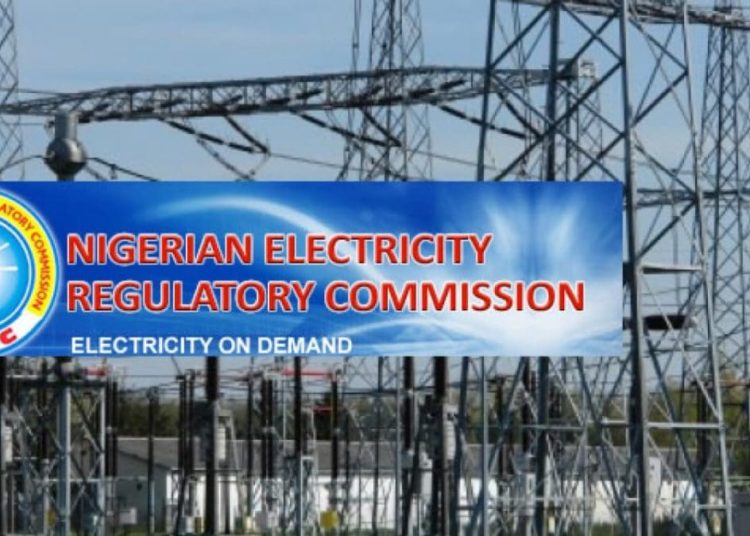
The Nigerian Electricity Regulatory Commission (NERC) has transferred regulatory control of Gombe State’s intrastate electricity market to the Gombe State Electricity Regulatory Commission (GOSERC).
In a public notice issued on Tuesday, NERC said the transfer followed Gombe State’s compliance with all conditions precedent under the law, including formal notification and a request for regulatory authority over its intrastate electricity market.
This development positions Gombe among at least 12 states—including Lagos, Edo, Enugu, Ondo, Ekiti, Oyo, Plateau, Imo, and Cross River—that have established or are advancing state-level electricity commissions since the passage of the Act.
The notice read, “In compliance with the amended Constitution of the Federal Republic of Nigeria and the Electricity Act 2023 (Amended), the Nigerian Electricity Regulatory Commission (“NERC”) or the “Commission” has issued an order to transfer regulatory oversight of the electricity market in Gombe State from the Commission to the Gombe State Electricity Regulatory Commission.
“Recall that with the EA 2023, the Commission retains the role as a central regulator with regulatory oversight on the inter-state/ international generation, transmission, supply, and trading and system operations.
“The EA also mandates any state that intends to establish and regulate intrastate electricity markets to deliver a formal notification of its processes and requests NERC to transfer regulatory authority over electricity operations in the state to the State Regulator.”
NERC stated that the handover followed an order issued in compliance with the amended Constitution and the Electricity Act 2023, after Gombe met all prerequisite conditions, including formal notification and a request for authority over its local power operations. The commission clarified that it would retain its mandate as the central regulator for interstate and international electricity generation, transmission, supply, trading, and system operations, while empowering states to regulate intrastate markets.
According to the notice, the Electricity Act 2023 requires states seeking such control to notify NERC formally, which Gombe’s government duly accomplished, leading to the transfer order in favor of GOSERC.
NERC further directed Jos Electricity Distribution Plc (JED) to incorporate a subsidiary, JED SubCo, within 60 days from January 7, 2026, to assume intrastate supply and distribution duties in Gombe.
The commission specified that JED SubCo must then apply for and obtain an intrastate electricity license from GOSERC, with all transfers completed by July 6, 2026.
The reform, NERC noted, marks a departure from Nigeria’s centralised power governance, enabling states to customise tariffs, licenses, and investments for improved access, service delivery, and renewable projects—contingent on strong state regulatory frameworks.
However, the commission and observers highlighted ongoing concerns over federal-state coordination, potential regulatory fragmentation, and the financial pressures on distribution companies unbundling state-specific operations.
Since the passage of the Act, at least 12 states have either established electricity regulatory commissions or are at advanced stages of assuming intrastate regulatory oversight.
These include Lagos, Edo, Enugu, Ondo, Ekiti, Oyo, Plateau, Imo and Cross River, among others.
The reform represents a significant shift from Nigeria’s historically centralised electricity governance structure, allowing states to design tariffs, issue licences, attract private investment and regulate distribution and supply activities tailored to local conditions.
The move is expected to accelerate electricity access, improve service delivery, and unlock subnational investments, particularly in renewable and embedded generation projects, provided that state regulators maintain a strong institutional capacity and regulatory independence.
However, concerns persist regarding coordination between federal and state regulators, regulatory fragmentation, and the financial stability of distribution companies, many of which are now required to separate their operations along state lines.