
Rising Debt Due Largely To Changes In Exchange Rate, Not New Loans, Says Budget Office
The federal government has clarified that surging debt figures stem largely from exchange-rate revaluation of existing foreign-currency obligations, not reckless new borrowing.
The federal government faulted what it described as widespread misrepresentation of Nigeria’s public finance in criticisms of President Bola Ahmed Tinubu’s economic reforms, saying many of the claims are built on the improper mixing of revenue, borrowing and federation-wide collections.
The director general of the Budget Office of the Federation, Tanimu Yakubu, who made this clarification, said much of the public debate around Tinubunomics relies on “arithmetic illusion rather than economic analysis.”
Yakubu, who stated this on Sunday, called for critiques grounded in established frameworks to foster insight over heat in the Tinubunomics debate.
According to the government, critics frequently aggregate tax collections, oil revenues, customs receipts, borrowing and so-called subsidy savings into large headline figures—sometimes running into N150 trillion or more and then demand explanations for how such sums were spent.
Yakubu said this approach ignores basic principles of public finance.
“Borrowing is not income; it is financing that creates future obligations,” he said. “Revenue is not the same as cash available to the federal government, and federation-wide collections are not equivalent to what the federal government can spend.”
He explained that revenues in a federal system are pooled, netted and shared among the three tiers of government according to constitutional and statutory formulas, noting that only the federal government’s retained revenue, combined with approved deficit financing, determines its actual spending capacity.
On fuel subsidy reform, the Budget Office boss said the policy does not create a sudden pool of discretionary cash, as often claimed in public discourse.
“Subsidy reform closes a fiscal hole; it does not magically produce idle cash,” Yakubu said. “Under the previous regime, underpricing manifested through arrears, opaque netting and quasi-fiscal obligations. Reform first removes these hidden drains, with fiscal benefits emerging gradually through better budgeting discipline and reduced deficit pressure.”
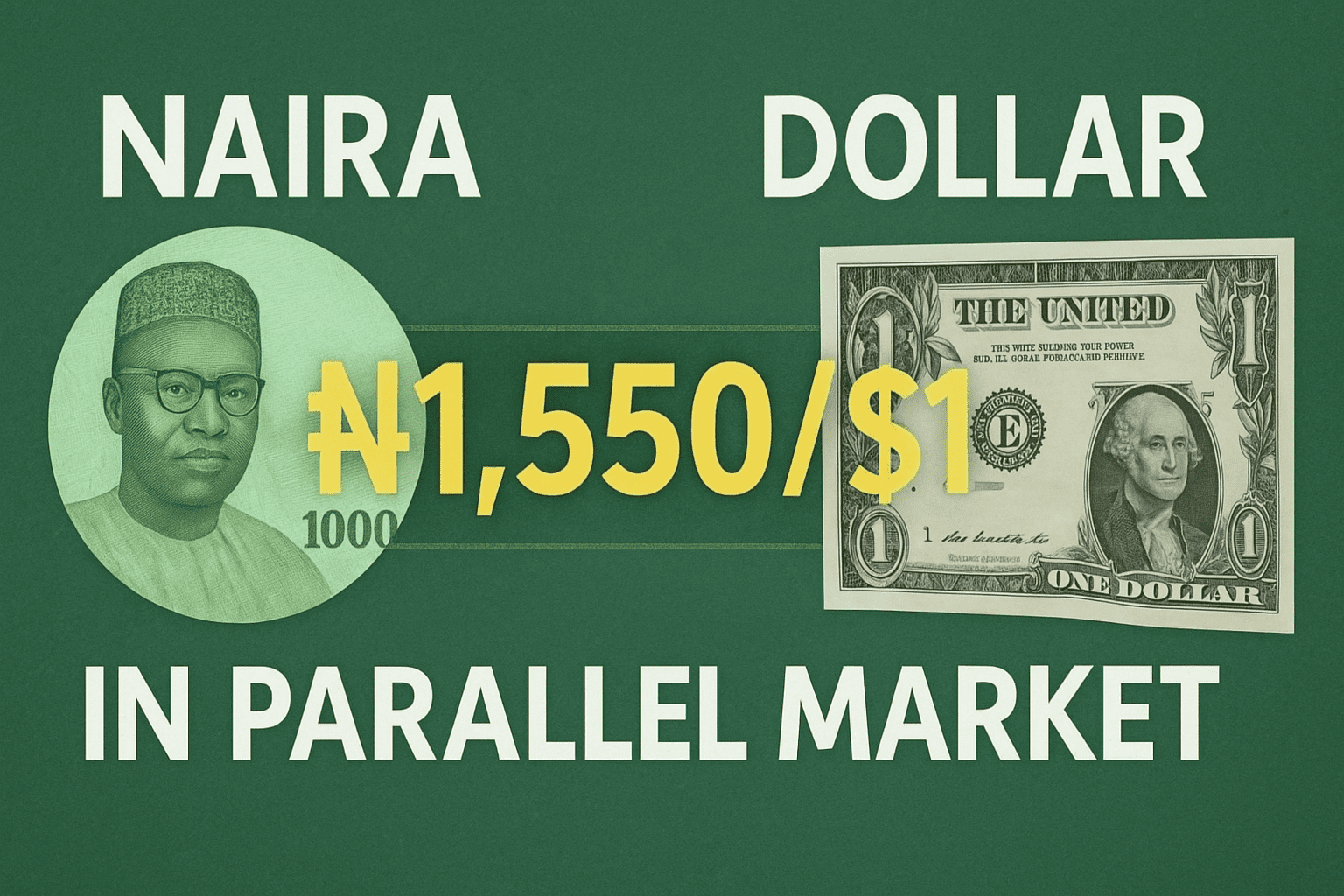
He also dismissed claims that rising debt figures automatically imply reckless new borrowing, stressing that a large portion of the increase in Nigeria’s debt stock in naira terms reflects exchange-rate revaluation of existing foreign-currency obligations.
“When the exchange rate adjusts, the naira value of dollar-denominated debt rises automatically,” he said. “Treating this accounting effect as fresh borrowing is a category error.”
Yakubu further warned against double-counting revenues, saying oil receipts are often added in gross terms without clarifying whether they are net of costs or whether they are federation-wide or federally retained, while customs receipts are sometimes counted separately even when already embedded in non-oil revenue totals.
He said the Tinubu administration never promised instant abundance but embarked on a “macro-fiscal reset” aimed at restoring price signals, strengthening revenue administration, rebuilding credibility and re-pricing the public balance sheet, while operating within hard constraints such as inherited debt service, security spending and legacy arrears.
“The proper way to interrogate government performance is straightforward,” Yakubu said. “Examine federal retained revenue; separate it clearly from financing; track expenditure across debt service, personnel, capital and transfers; and then assess outputs—roads built, power delivered, rail extended, and social infrastructure rehabilitated.”
He added that presenting national finances as a household ledger fuels false narratives and undermines serious accountability.
“Accountability begins with audit logic, not social media arithmetic,” Yakubu said, stressing that “no amount of theatrical arithmetic can substitute for fiscal discipline.”
The Budget Office urged analysts and commentators to ground critiques of Tinubunomics in established public finance frameworks, warning that failure to do so would continue to generate heat rather than insight in the national economic debate.