Nigeria’s New Tax Law 2026 Explained: What It Really Means for Your Income, Business, and Everyday Living
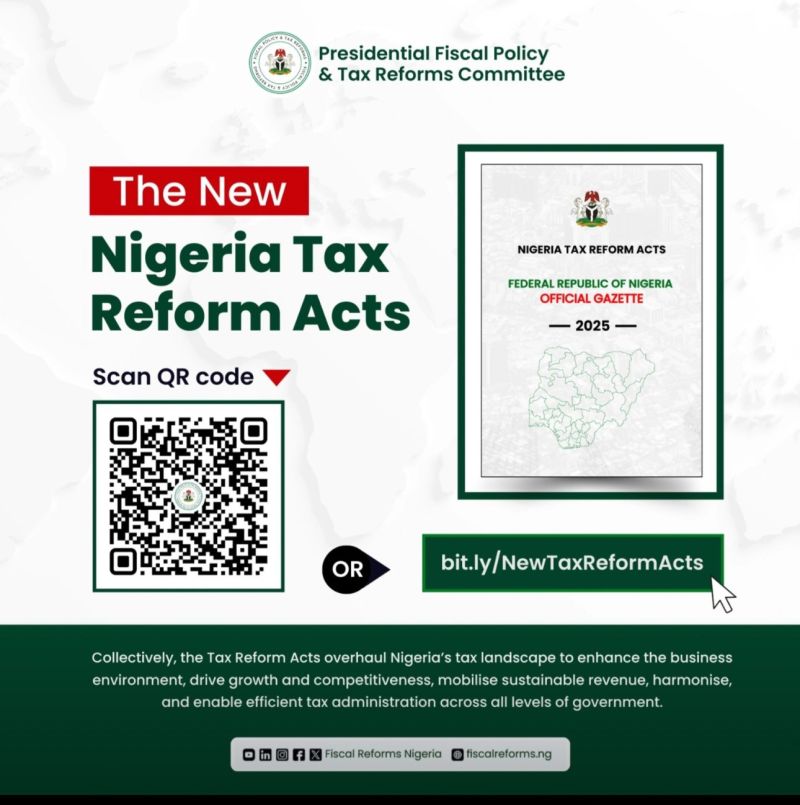
Nigeria’s tax system is undergoing one of its biggest reforms in decades, and by 2026, the new tax law will fully shape how individuals, workers, and business owners earn, save, and spend money. While many Nigerians have heard about “new tax reforms,” few truly understand what they mean in practical terms.
This guide breaks it down clearly no legal jargon, no confusion just what you need to know and how it affects your pocket.
Will Your Salary Be Taxed More?
For most Nigerians, income tax will reduce.
- Low-Income Earners: About one-third of Nigerian workers will pay ZERO income tax under the new law.
- Middle-Income Earners: If you earn between ₦500,000 and ₦1.5 million monthly, your PAYE deductions will reduce, meaning higher take-home pay without a salary increase.
- High-Income Earners: Only people earning around ₦20 million monthly begin to approach the top effective tax rate of about 25%, after deductions.
Why Nigeria Introduced a New Tax Law
The Federal Government introduced the new tax framework to:
- Expand the country’s tax base
- Reduce overdependence on oil revenue
- Improve transparency and tax compliance
- Increase funding for infrastructure, healthcare, and education
- Align Nigeria’s tax system with global best practices
The reforms are also part of Nigeria’s economic recovery and long-term development plans.
Key Changes in Nigeria’s New Tax Law (2026)
1. Personal Income Tax Adjustments
Under the new law, income tax brackets have been reviewed to ensure fairer taxation:
- Low-income earners will pay less tax or none at all
- Middle-income earners may see slight adjustments
- High-income earners and top professionals will contribute more
This aims to reduce pressure on low-income households while improving government revenue.
2. Higher Focus on Digital and Online Businesses
If you earn money online from:
- Blogging
- YouTube or content creation
- Freelancing
- Affiliate marketing
- Online trading or crypto-related services
You are now more likely to fall under formal tax monitoring. Digital income is no longer “invisible.”
What this means:
You may need to register your business, declare earnings, and pay appropriate taxes.
3. Business Registration and Compliance Gets Stricter
Small and medium enterprises (SMEs) are a major focus of the new law.
Key changes include:
- Stronger data sharing between banks, FIRS, and CAC
- Mandatory Tax Identification Number (TIN) for business transactions
- Penalties for non-compliance or false declarations
However, the government also promises:
- Easier online tax filing
- Simplified compliance processes for small businesses
4. VAT Adjustments and Monitoring
While VAT rates may not drastically increase immediately, enforcement will be tighter.
Businesses must:
- Issue proper invoices
- Remit collected VAT accurately
- Keep better financial records
Consumers may also notice slightly higher prices as businesses adjust.
5. Tax Incentives for Startups and Investors
To balance the burden, the new law includes incentives such as:
- Tax holidays for startups in tech, agriculture, and manufacturing
- Incentives for companies creating jobs
- Reliefs for businesses investing in local production
This is designed to encourage entrepreneurship and reduce unemployment.
What This Means for Ordinary Nigerians
For workers:
- You may see slight changes in PAYE deductions
- Better compliance could improve public services long-term
For business owners:
- Proper accounting is no longer optional
- Digital record-keeping becomes essential
- Tax planning will matter more than ever
- For freelancers and online earners:
- Income tracking and voluntary compliance will protect you from future penalties
How to Prepare Before 2026
- Register your business and obtain a TIN
- Keep clear financial records
- Separate personal and business accounts
- Learn basic tax obligations
- Seek professional advice if needed
Preparation now will save you from penalties later.
Final Thoughts
Nigeria’s new tax law is not just about collecting more money it’s about creating a more structured, transparent, and sustainable economy. While the changes may feel tough at first, understanding them early gives you an advantage.
Whether you are a salary earner, entrepreneur, or digital creator, being informed is your strongest financial tool in 2026 and beyond.