Nigeria Newspapers: Dangote Calls for Probe of NMDPRA CEO Over Alleged Graft, Economic Sabotage
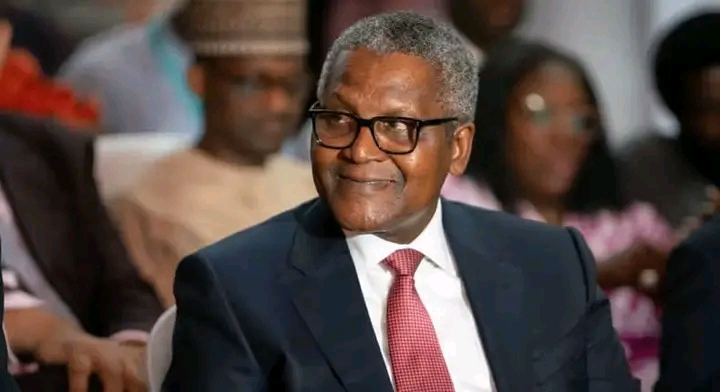
Africa’s richest industrialist, Aliko Dangote, has renewed calls for accountability in Nigeria’s oil and gas regulatory space, urging authorities to investigate and, if necessary, prosecute the Chief Executive Officer of the Nigerian Midstream and Downstream Petroleum Regulatory Authority (NMDPRA) over allegations of graft and economic sabotage.
Dangote made the demand amid ongoing debates around fuel supply, pricing, and regulatory oversight following the commencement of operations at the Dangote Petroleum Refinery. His comments have intensified public scrutiny of the regulatory framework governing Nigeria’s downstream petroleum sector and raised fresh questions about transparency, fairness, and national economic interest.
According to Dangote, certain regulatory actions and policies allegedly taken by the NMDPRA leadership have undermined local refining efforts and worked against the broader goal of energy self-sufficiency. He argued that Nigeria, which has invested billions of dollars in domestic refining capacity, should not be subjected to regulatory practices that discourage local production while favouring fuel imports.
The billionaire industrialist maintained that policies perceived as hostile to indigenous investments amount to economic sabotage, especially at a time when the country is grappling with foreign exchange shortages, high inflation, and rising energy costs. He stressed that regulatory agencies are meant to protect national interest, ensure fair competition, and promote sustainable development — not frustrate major investments designed to reduce Nigeria’s dependence on imported petroleum products.
Dangote further stated that if allegations of corruption or abuse of office are proven, the appropriate anti-graft agencies should take decisive action. He emphasized that no public official should be above the law, adding that accountability is critical to restoring investor confidence and ensuring the success of landmark projects like the Dangote Refinery.
The comments come against the backdrop of recent tensions between refinery operators and regulators over issues such as licensing, product quality approvals, pricing benchmarks, and import permits. Industry analysts note that disagreements between regulators and operators are not unusual, but warn that prolonged disputes could disrupt supply chains and negatively affect consumers.
In response to the allegations, officials close to the NMDPRA have previously insisted that the agency operates strictly within the law and in line with the Petroleum Industry Act (PIA). The regulator has maintained that its decisions are guided by technical standards, consumer protection, and market stability, rather than personal or political considerations.
Observers say the controversy highlights deeper structural challenges in Nigeria’s oil and gas sector, including overlapping mandates, trust deficits between public institutions and private investors, and lingering concerns about governance. Some experts have called for an independent review of regulatory processes to clarify grey areas and reduce friction between stakeholders.
Civil society groups have also weighed in, urging the federal government to treat the allegations seriously while ensuring due process. They argue that a transparent probe, if conducted, would either clear the regulator’s leadership of wrongdoing or expose systemic issues that need urgent reform.
For many Nigerians, the outcome of this dispute carries significant implications. The success of local refineries is seen as a key factor in stabilising fuel supply, reducing pump prices over time, and conserving foreign exchange. Any regulatory bottlenecks that threaten these objectives are likely to attract strong public reaction.
As calls for investigation grow louder, attention now turns to the relevant oversight bodies and anti-corruption agencies. Whether the matter leads to a formal probe or policy dialogue, analysts agree that strengthening transparency and cooperation between regulators and investors will be crucial to securing Nigeria’s energy future and protecting its economy from avoidable shocks.